Tidewater Riverway Initiative
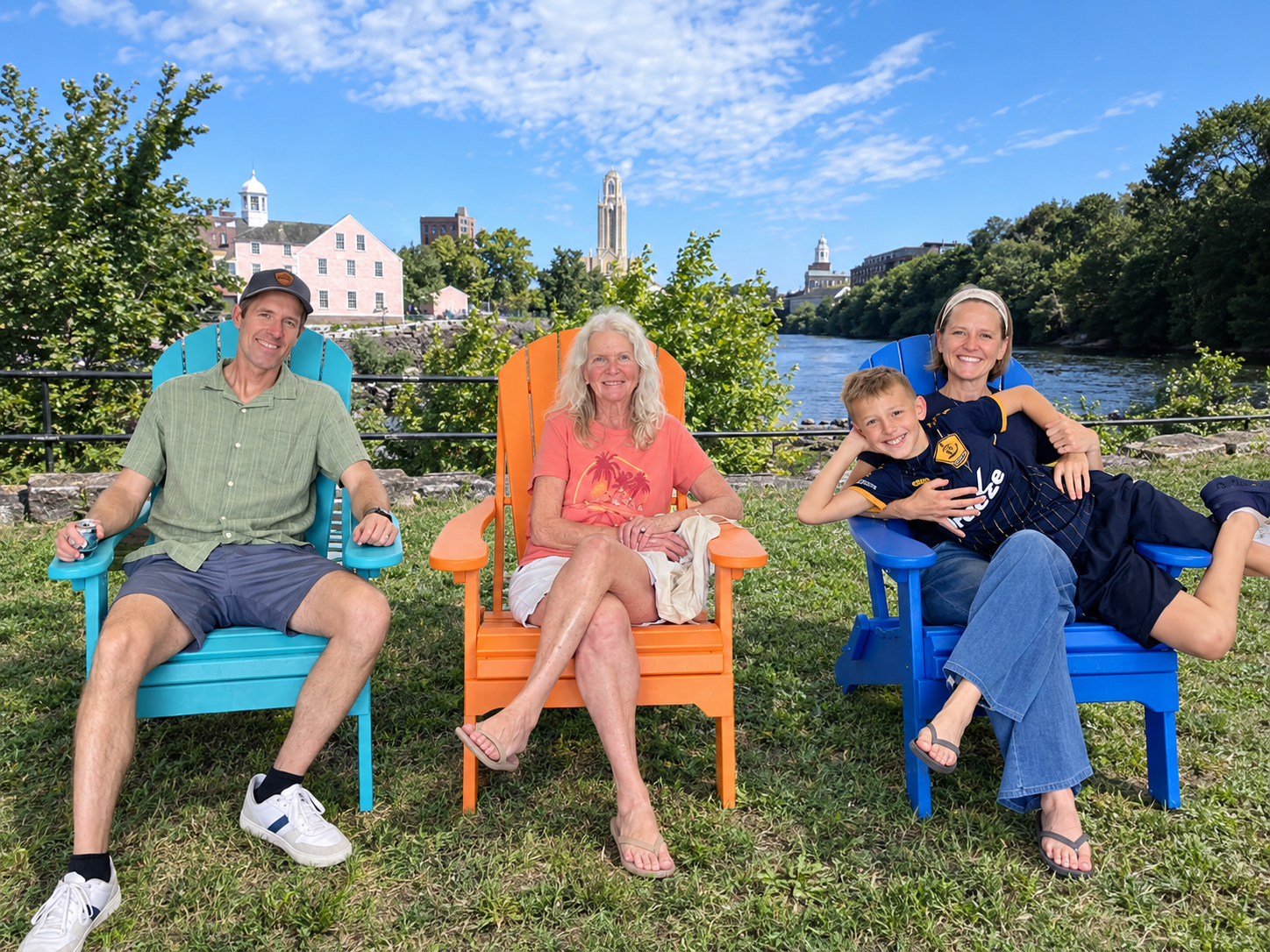
Have a Seat Pawtucket and Share your River Story!
We'd love to feature your visit along the Tidewater Riverway. By uploading your photo, you're helping document the growing community around Pawtucket's riverfront. With your permission, we may share your image on our website, social media, and in future project materials.
July 1, 2026
A Framework for Partnership, Public Access, Stewardship, and Opportunity
Pawtucket, Central Falls, Cumberland, East Providence, and Providence, Rhode Island
Along the Seekonk, Pawtucket, and Blackstone Rivers
Introduction
The Tidewater Riverway Initiative is a forward-looking effort to strengthen the relationship between the communities of Pawtucket, Central Falls, Cumberland, East Providence, and Providence, Rhode Island, and the shared river corridor that connects them. Extending from Green Jacket Shoals in East Providence and India Point in Providence along the Seekonk River, upriver through the Pawtucket River, and onward to Central Falls Landing in Central Falls and Valley Falls Heritage Park in Cumberland on the Blackstone River, the Initiative envisions these waterways not as separate places, but as one connected civic, environmental, cultural, recreational, and economic resource. Proper recognition of these native lands is paramount to our future.
The relationship among the Seekonk, Pawtucket, and Blackstone Rivers—and among the five communities that line the river banks — offer an extraordinary opportunity to advance a unified, coordinated, and integrated riverway vision for economic opportunity, stewardship, public access, environmental improvement, recreation, heritage, and long-term public value for the people who live, work, and visit here.
The Initiative is grounded in a simple but powerful idea: that these rivers are not merely a collection of properties, parks, shorelines, and public spaces, but a connected civic landscape whose future should be shaped deliberately, collaboratively, and carefully with long-term purpose.
Together, these waterways hold exceptional potential. They connect Indigenous homelands with the story of industrial Rhode Island, and they connect that history to a future shaped by environmental restoration, public access, recreation, resilience, and strategic investment. The riverway links neighborhoods, parks, public spaces, working waterfront areas, and redevelopment opportunities across municipal boundaries. It offers possibilities for recreational and commercial river boating, rowing, paddling, public access, education, heritage interpretation, environmental restoration, and carefully planned economic activity.
The Tidewater Riverway also provides a setting in which our communities can strengthen resilience, improve public safety, and continue the long work of reconnecting people to the rivers that helped define the identity of Rhode Island and the Blackstone River Valley.
The Tidewater Riverway Initiative is intended to provide a framework for that work. Central to the work will be the completion of the Blackstone Bikeway to the East Bay Bikeway and the dredging of the Seekonk and Pawtucket Rivers to advance the importance of the Pawtucket Harbor and safe navigation of all water craft along this riverway.
Purpose and Intention of the Initiative
The purpose of the Tidewater Riverway Initiative is to advance a coordinated strategy for the stewardship, improvement, and activation of our shared river corridor through partnership, planning, public investment, and community engagement, working alongside the thinkers, dreamers, and doers of Central Falls, Cumberland, East Providence, Pawtucket, and Providence.
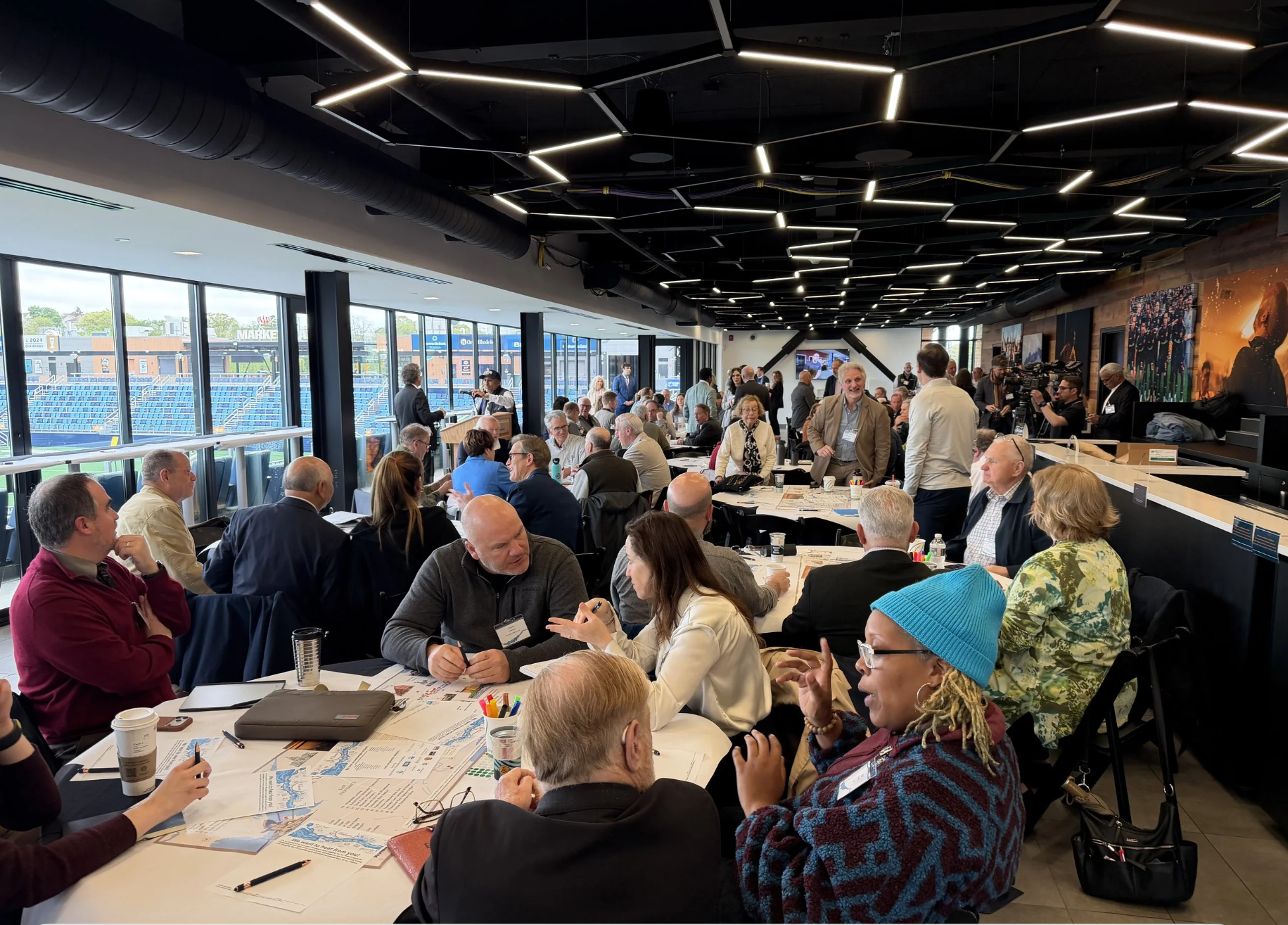
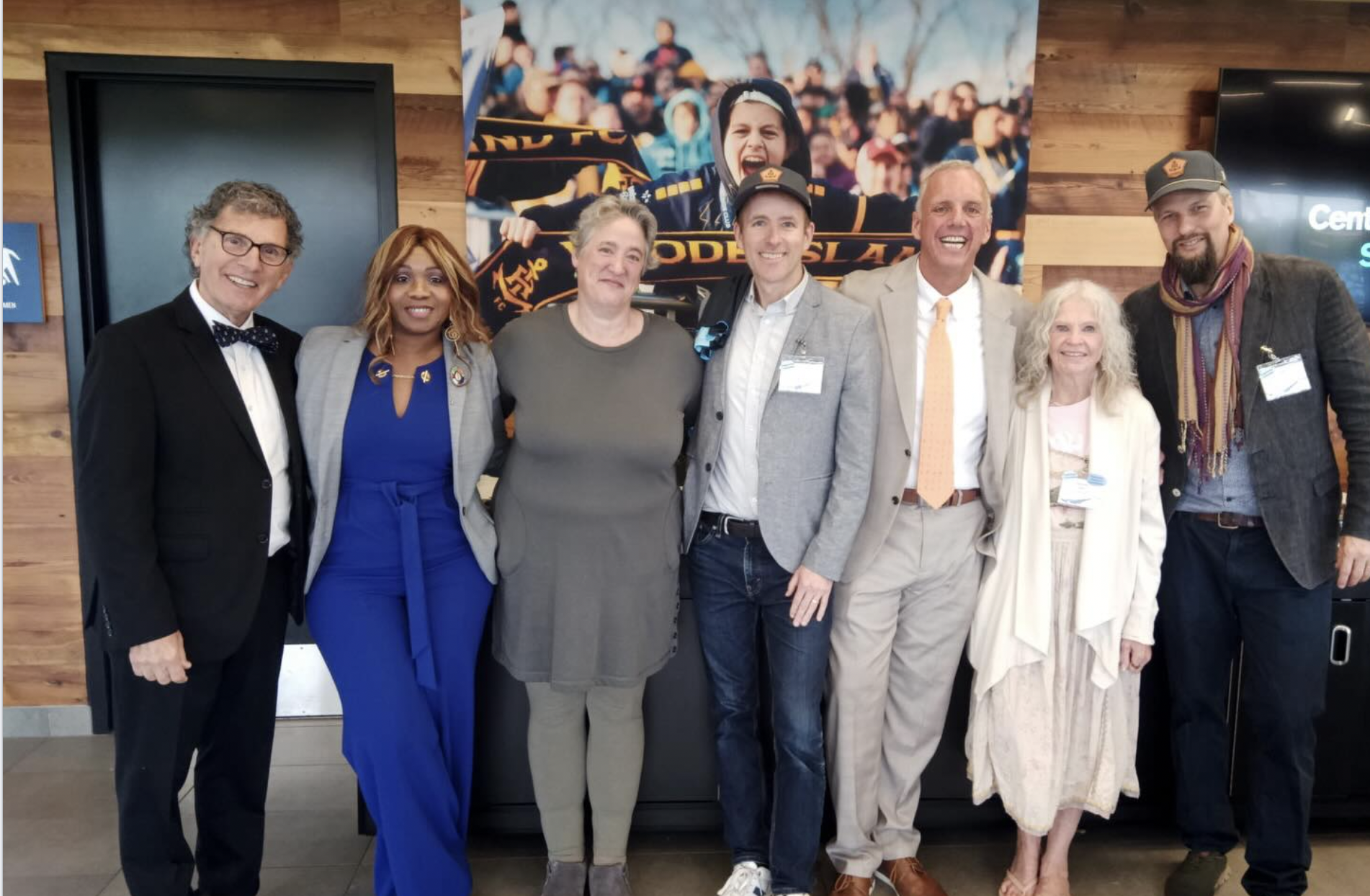
This Initiative emerged in September of 2025 and was introduced and embraced by the community on May 14, 2026 Tidewater Riverway Symposium held at Centreville Bank Stadium in Pawtucket, Rhode Island, and is intended to build upon the momentum, ideas, partnerships, and aspirations expressed through that gathering. The City of Pawtucket and the Pawtucket Riverfront Commission hosted the gathering of 100 people that day.
The Tidewater Riverway Initiative is intended to:
strengthen public access to the designated riverway;
improve the visibility, usability, and identity of the riverway as a connected public asset;
encourage environmental restoration, shoreline stewardship, and resilience planning;
support river boating, paddling, rowing, and other appropriate water-dependent recreation;
identify opportunities for riverway improvements, public gathering spaces, interpretive features, and waterfront destinations;
encourage collaboration among municipalities, public agencies, nonprofit organizations, educational institutions, businesses, Native communities, and interested community groups;
build upon prior riverway accomplishments and ongoing harbor, waterfront, and river planning efforts; and
position the riverway as a defining civic, environmental, recreational, and economic resource for the five communities it serves.
A Connected Riverway
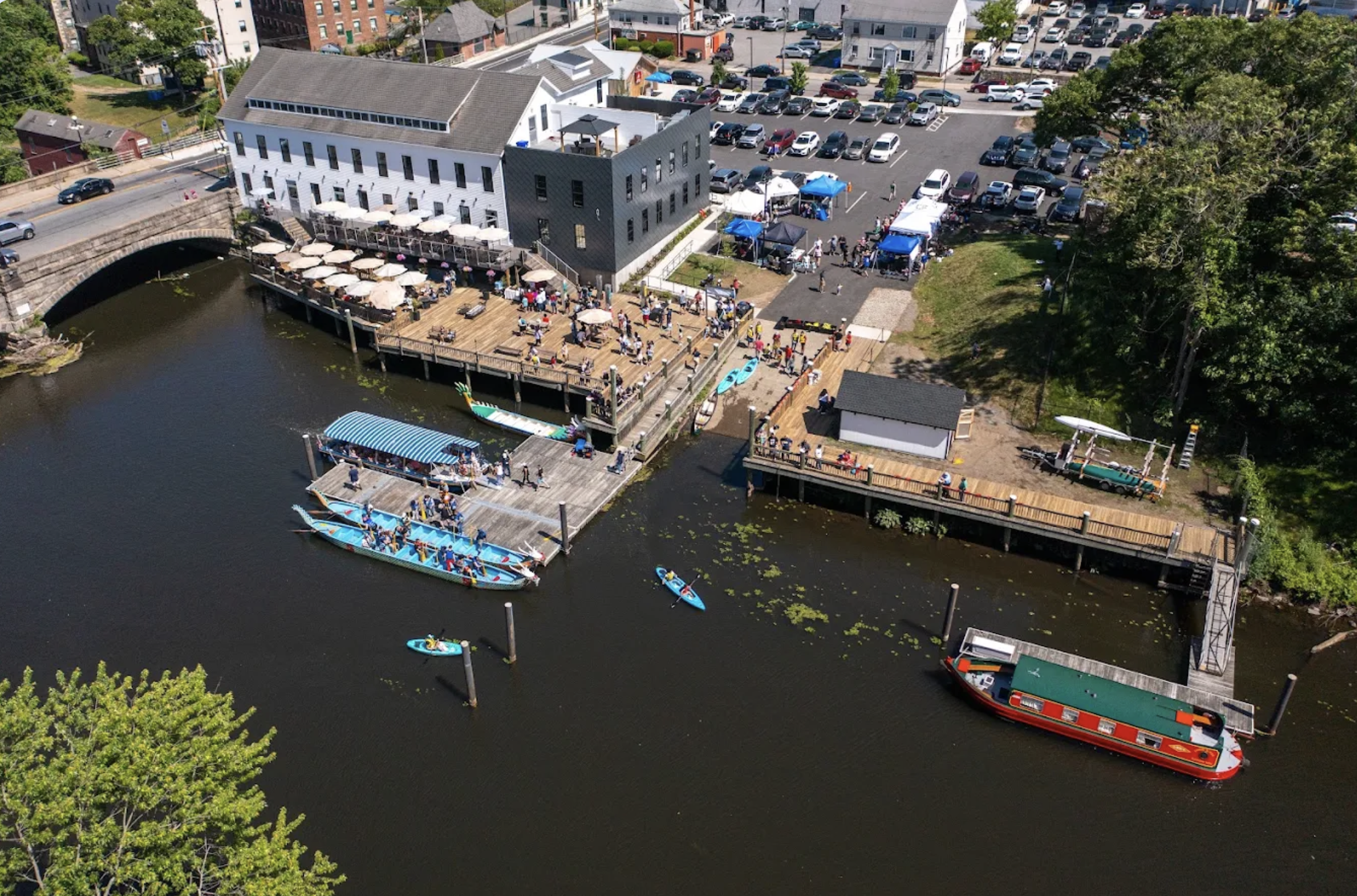
The Tidewater Riverway should be understood as a connected system rather than as a series of isolated sites.
Its value lies not only in individual parks, launches, shorelines, redevelopment parcels, and public spaces, but in the way those places can function together as a coherent riverfront experience across multiple communities. Trails, overlooks, docks, launch areas, interpretive destinations, gathering spaces, habitat restoration areas, event locations, and river access points all become more meaningful when they are planned as part of a unified riverway.
The Initiative therefore encourages an approach that links physical improvements with public programming, heritage interpretation, environmental stewardship, public safety, and long-range planning.
Building on Accomplishment
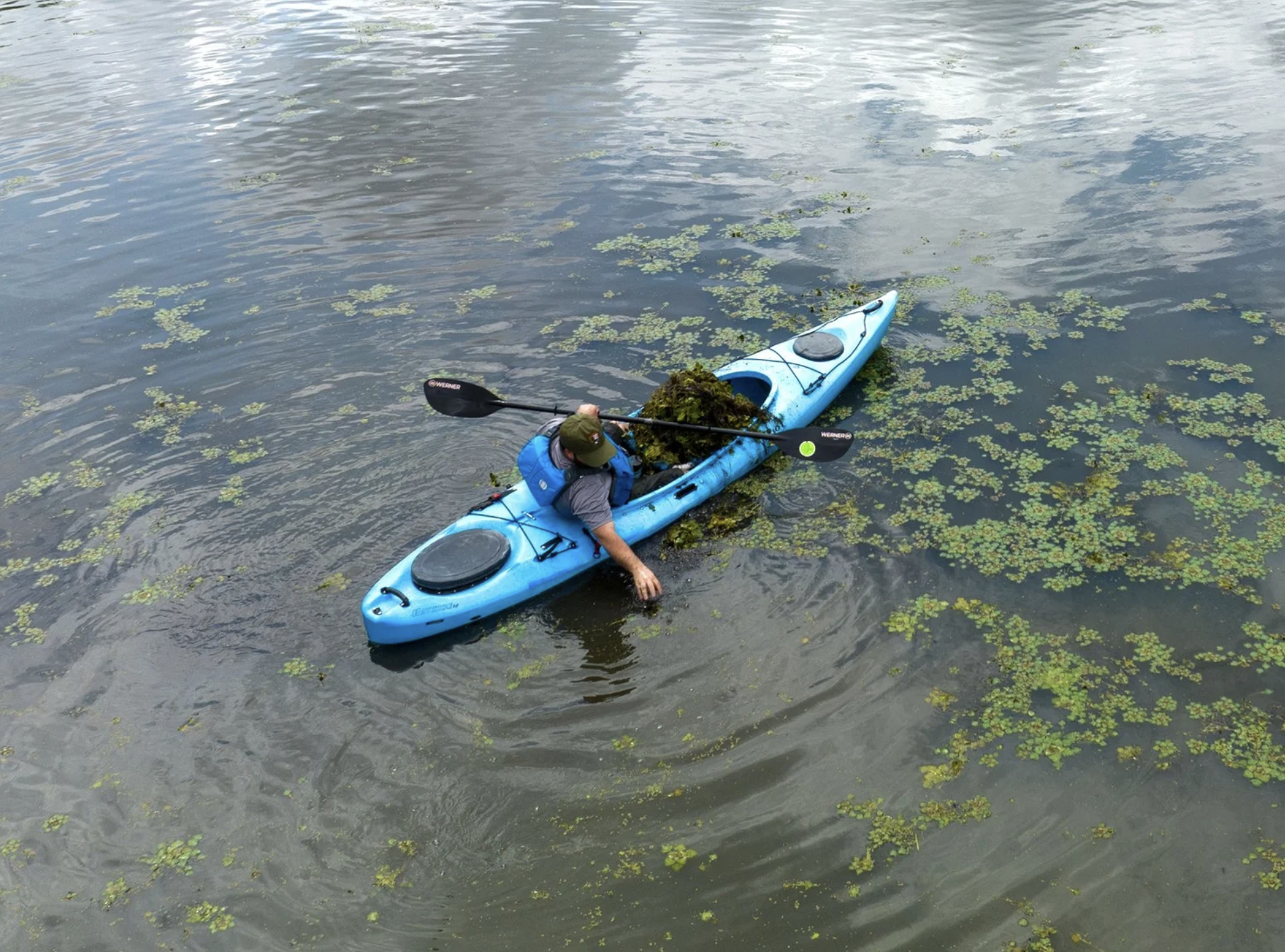
The Tidewater Riverway Initiative is not a proposal to begin from scratch. It is intended to build upon the significant work already undertaken by the five communities and their many public, nonprofit, and community partners.
The Riverway has benefited from more than 6 decades of planning, environmental cleanup, public investment, civic advocacy, riverfront programming, and community stewardship. These efforts have helped restore public confidence in the rivers and have demonstrated the power of partnership in transforming the waterfront from an overlooked edge into a place of civic importance.
The Initiative recognizes that this progress matters. Its purpose is not to replace existing work, but to connect it, strengthen it, and help guide the next chapter of riverfront revitalization and river stewardship.
Connecting Rhode Island’s Greenway
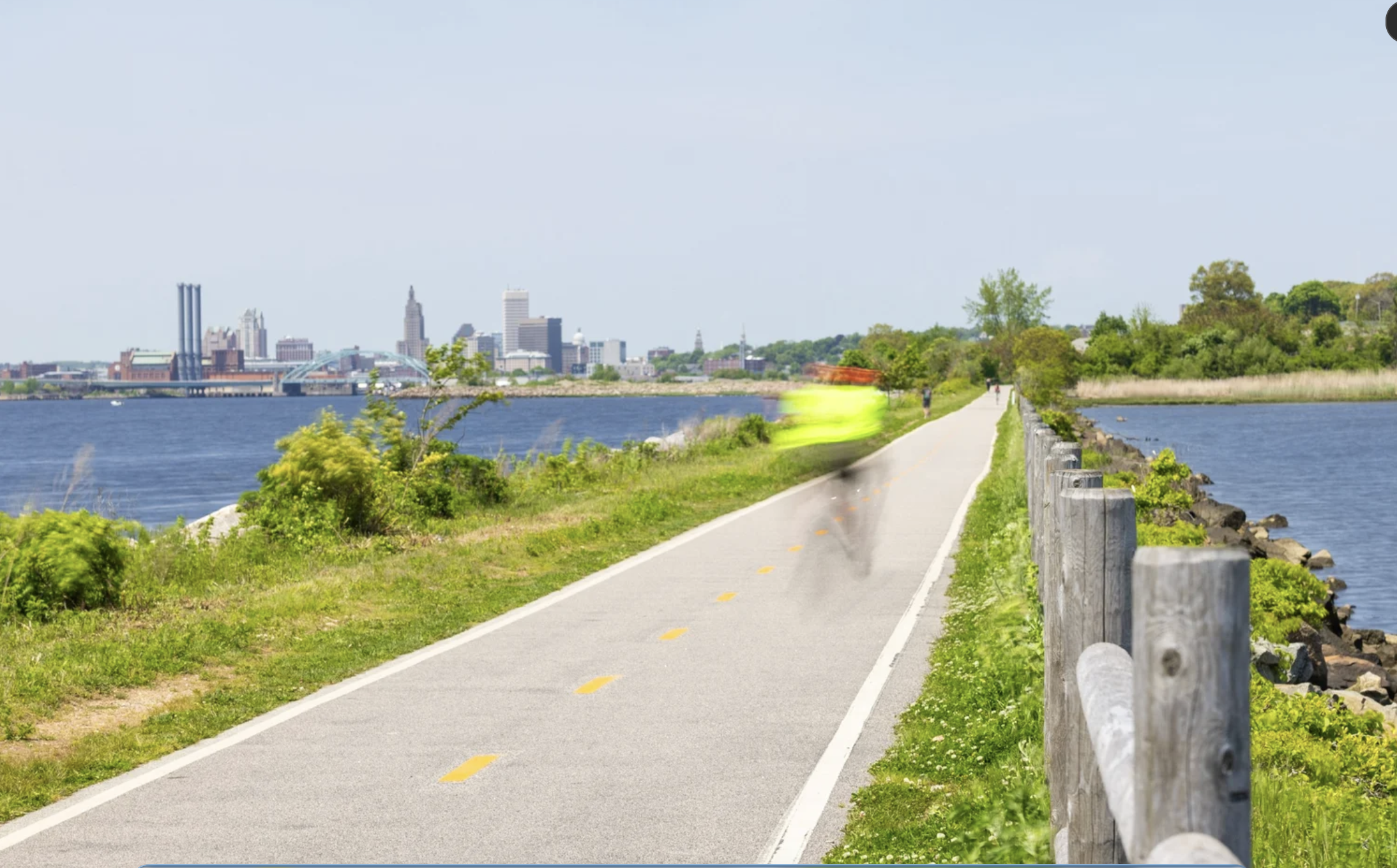
For decades, Rhode Island has dreamed of connecting the Blackstone River Bikeway with the East Bay Bike Path. Today, members of the Tidewater Riverway Initiative are working with partners across Cumberland, Central Falls, Pawtucket, Providence, and East Providence to help make that vision a reality. By creating a safe, welcoming off-road route between these two beloved trails, the project will form an uninterrupted 30-mile Greenway stretching from Bristol to the Massachusetts border—a new spine of connectivity through the heart of Rhode Island.
More than a transportation project, the Greenway will invite people to experience the unique culture, neighborhoods, parks, and waterfronts of each community while creating new opportunities for recreation, tourism, and healthy everyday travel. The Tidewater Riverway Initiative has already begun convening stakeholders, public officials, and community members to shape the vision for this transformative regional project.
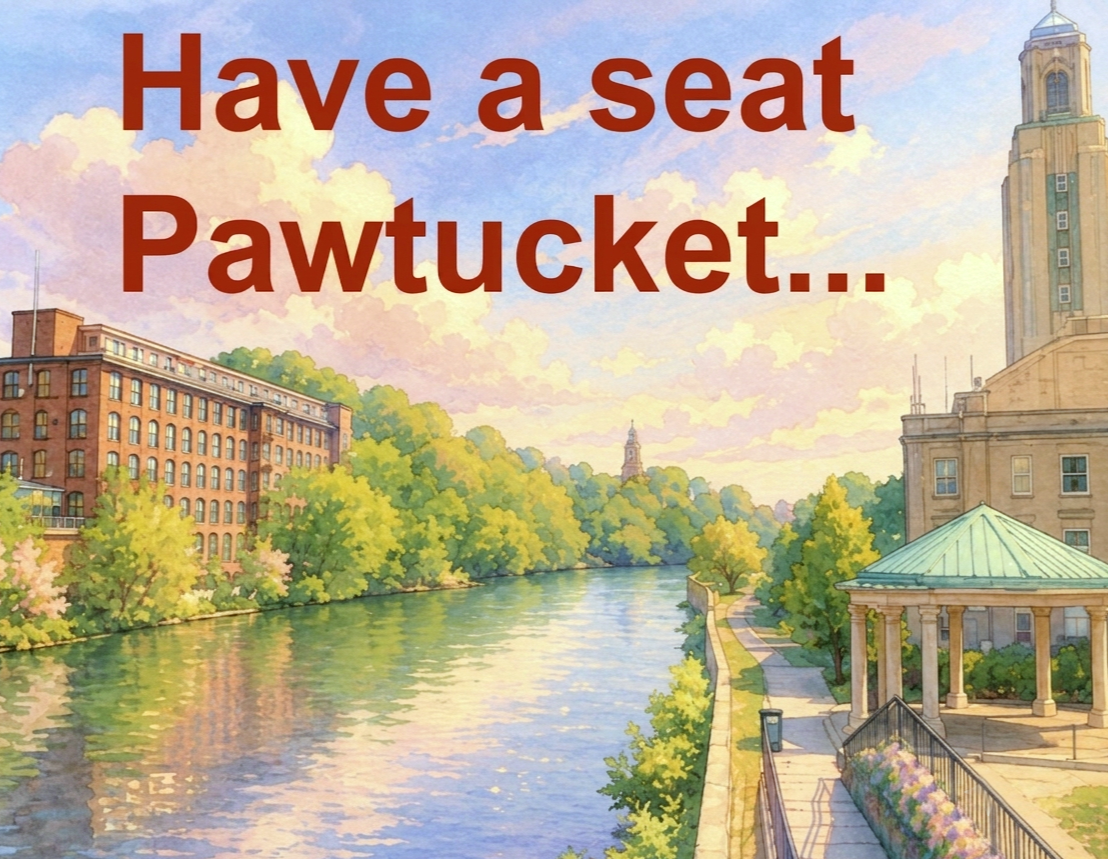
Have a Seat, Pawtucket
is the Tidewater Riverway Initiative’s first tactical placemaking project. Twenty-one colorful Adirondack chairs have been placed in three parks along the Blackstone River, creating simple invitations to pause, gather, and enjoy the waterfront. We hope you’ll take a seat, snap a photo, and share it here. Together, these images will become a living portrait of a riverfront coming back to life—and the first step in a growing series of community-led projects that reconnect people with Pawtucket’s greatest natural asset.